Water Safety is an Urgent Matter
Learn what you can do today to prevent childhood drownings and help us spread much needed awareness of the facts and risks.
Water Safety Facts
Drowning is the leading cause of death for children ages 1- 4 in the United States.
Drowning is the second leading cause of unintentional injury death in children ages 5-14, following motor vehicle crashes. This age group sees high disparities in drowning rates among African American and Black children.
Nearly 70% of toddler drownings occur during non-swim time.
88% of children drown with at least 1 adult present (Source: Safe Kids Worldwide).
Drowning doesn’t look like drowning. It is fast and silent and can happen in as little as 20-60 seconds - the time it takes to send a text message.
An infant can drown in less than 1 inch of water within 30 seconds.
Lessons We Want to Share
There is a difference between being aware of safety risks and taking action to prevent them.
Even if a child knows how to swim, nothing will ever completely eliminate the risk of drowning. Starting proper swim lessons early and implementing multiple layers of protection will reduce risks and bring you more peace of mind. See the Five Layers of Protection below.
NO Child is Drown-Proof
Children need to understand that water can be dangerous.
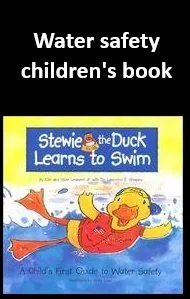
For us, going to swimming lessons and playing in the pool was about fun and being comfortable in the water. We wish we had instilled a sense of caution to give him pause about being near the pool without adults and were not strict enough with wearing a life jacket near a pool (our son didn’t like it). See Additional Resources for books that can help relay this information to children.
A “Healthy Caution” of Water
Time is of the essence with drowning, as toddlers can drown in less than a minute. Check nearby water sources first. We assumed our son had stayed inside and closer to where he had been playing, which is where we checked first, but toddlers are curious and fascinated by water. This search wasted minutes in finding our son once we realized he was missing. For mobile infants in the home, check bathtubs and toilets first.
ALWAYS Check the Water First
The 5 Layers
Implement the 5 Layers of Protection that should be used together when in or around water.
Source: NDPA

BARRIERS AND ALARMS
Fences and gates with childproof locks that isolate the pool or spare area are best for homes with small children, vacation homes or where children live close by. Alarms can be added to windows, doors, gates, and the pool to alert unauthorized access to pools and spas. In Australia, fencing is required by law around all private pool/spa areas, but unfortunately our laws in the U.S. vary by state.

SUPERVISION
Adult supervision is an important protection layer but can be broken easily. Drownings often occur from a lapse of supervision, not a lack of supervision. This is prevalent especially with multiple children, or even with multiple adults around as responsibility becomes assumed or diffused. It takes seconds for a child to drown, which would require constant supervision - this is why having multiple layers of protection is crucial. Thinking adult supervision was enough protection is the fatal error we regrettably made.

WATER COMPETENCY
Getting swim lessons for your child early is important, but evaluate the programs carefully to assess what drowning prevention and water safety techniques are taught, versus “making your child comfortable” around water. We wish we knew about swim rescue lessons offered from ISR (and other programs) that can teach your child skills to self-rescue in 6 weeks, such as learning to turn on your back and float. It might sound too good to be true, but these outcomes can be achieved and we are happy to report on our son Leo’s progress with the program.
LIFE JACKETS
When boating or around natural bodies of water, life jackets should always be worn. It should be a USCG approved flotation device that is tested and meets accepted industry standards - many marketed for children do not meet this standards. Life Jackets should not replace adult supervision/touch within a body of water.

EMERGENCY PREPARATION
Know CPR and refresh yearly. Require all babysitters, grandparents and caregivers to have current CPR training and certification. In groups, such as pool parties, at least one person should know CPR. We also recommend at any parties there be a designated pool watcher to make sure no child slips under while adults may be socializing.
Additional Resources
(Click on the images to access the hyperlinks)